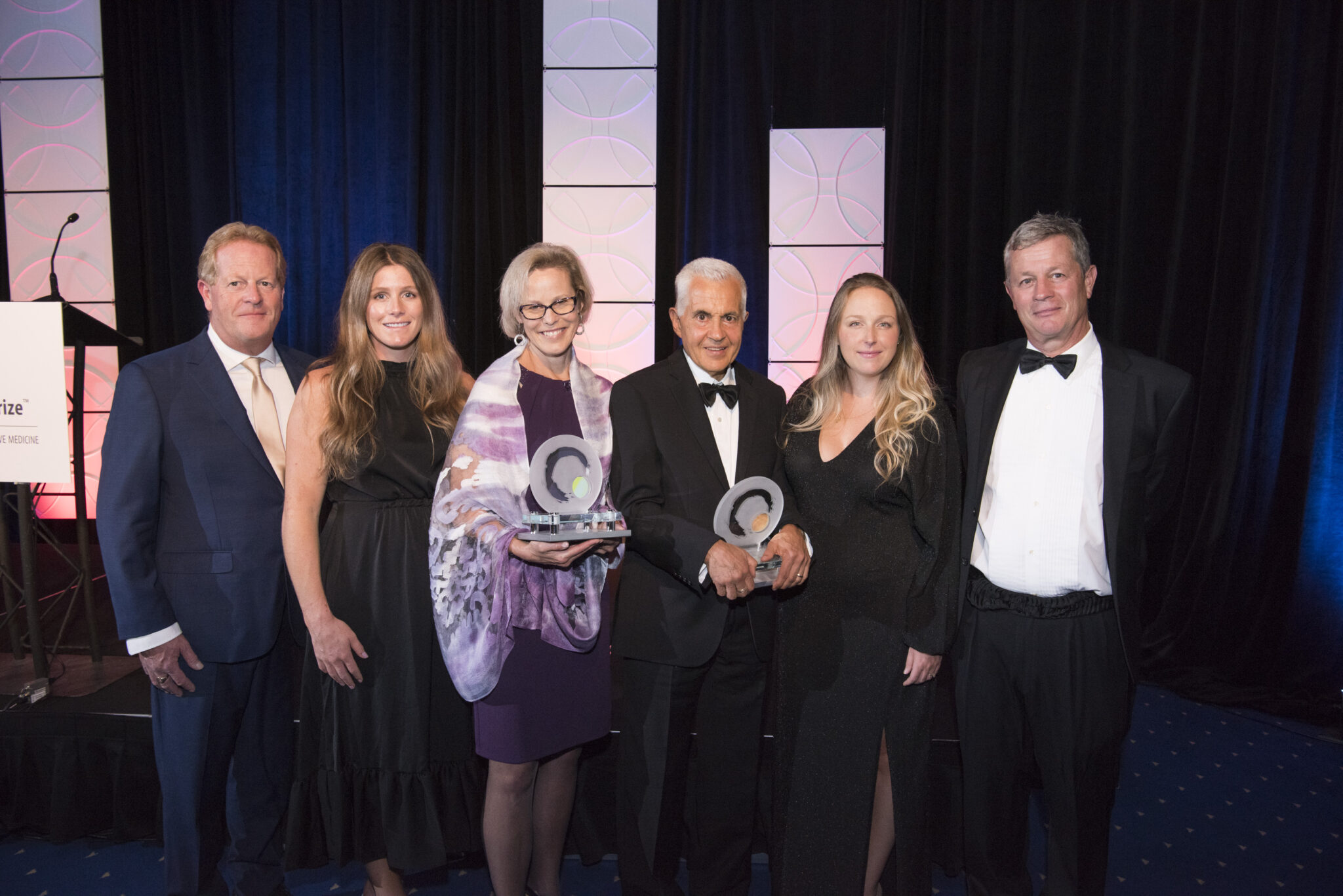
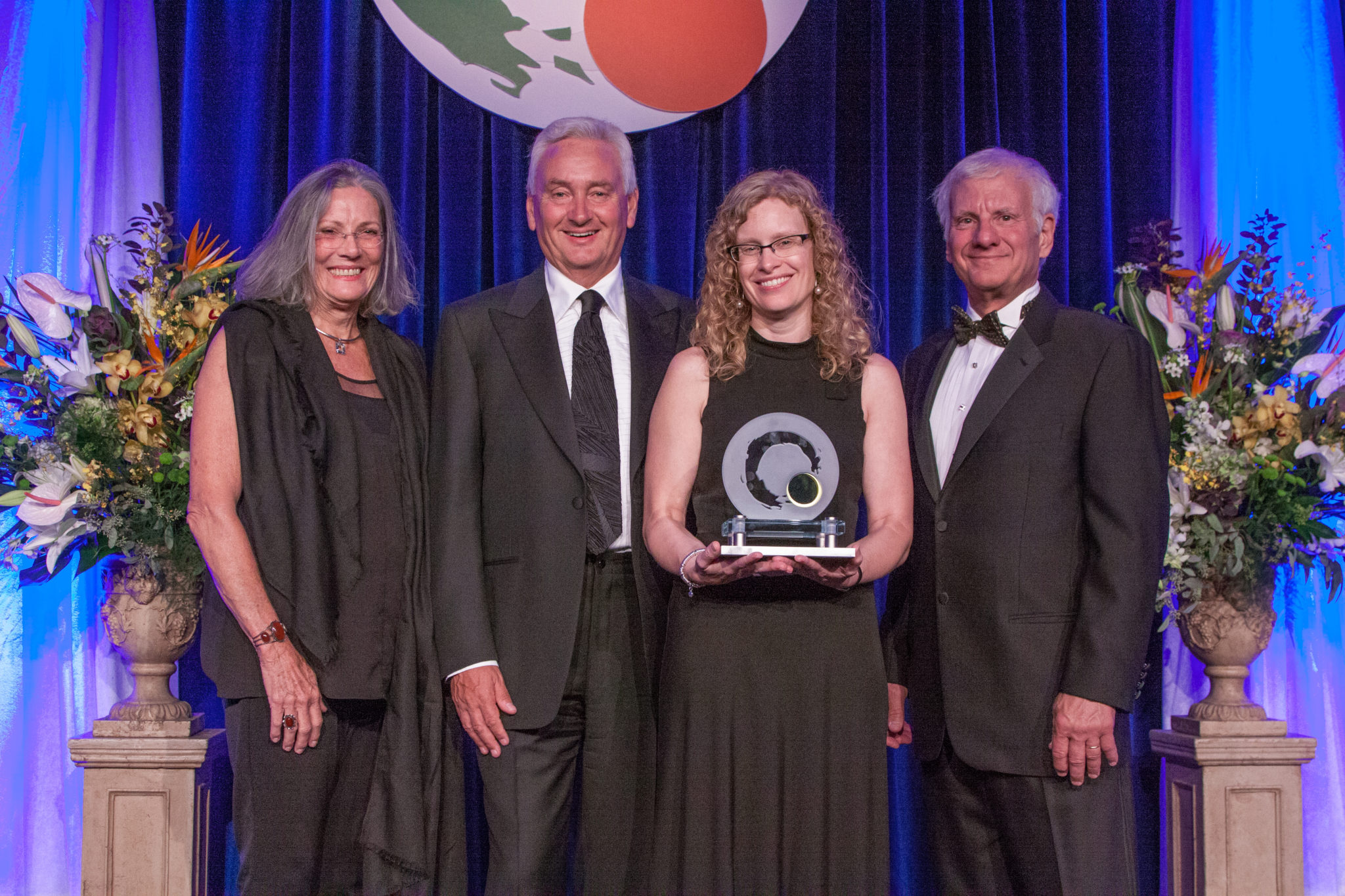
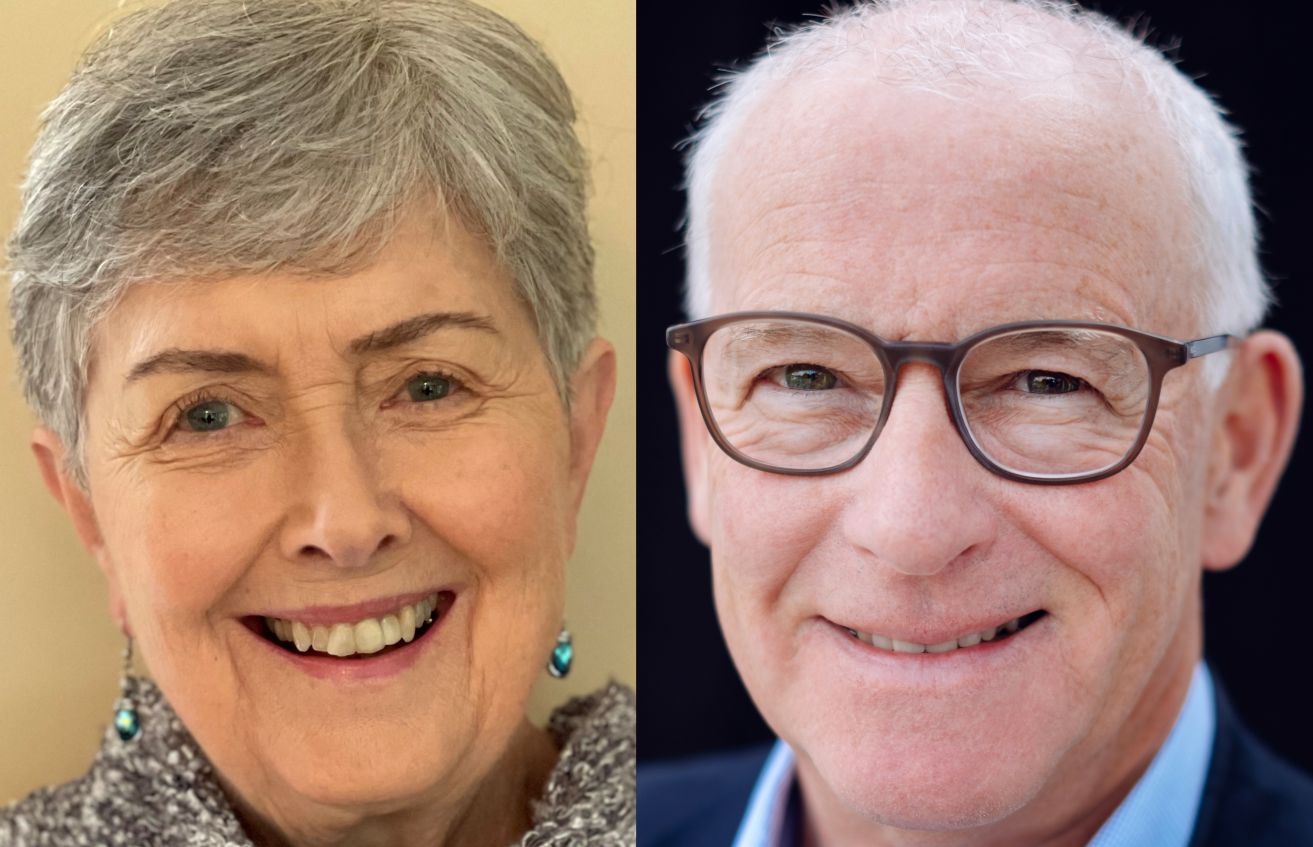
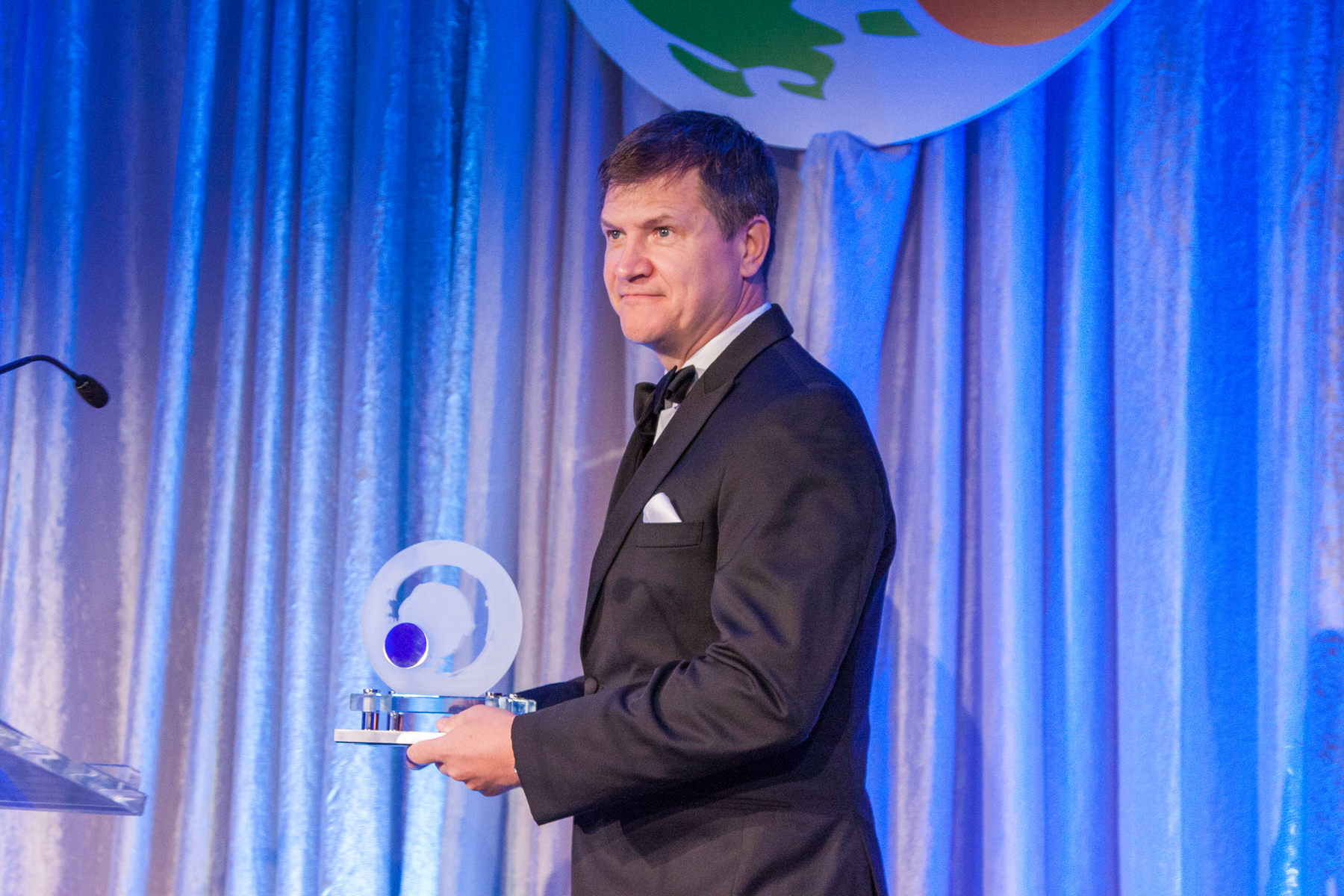
Dr. Badri (Bud) Rickhi of Calgary (left) and Dr. Hal Gunn of Vancouver (right) accept the 2009 Dr. Rogers Prize for Excellence in Complementary and Alternative Medicine from Geoff Rogers (centre), son of Dr. Roger Hayward Rogers for whom the Prize is named.


What is the Dr. Rogers Prize?    The purpose of the Dr. Rogers Prize is to highlight the important contribution of complementary and alternative medicine to health care. It is intended to recognize and reward people who have made significant contributions in the field.
Named for:    Dr. Roger Rogers - a CAM pioneer in Canada and co-founder of the Centre for Integrated Healing (now InspireHealth) in Vancouver.
Prize:    A cash prize of $250,000 funded by the Lotte and John Hecht Memorial Foundation, a Vancouver-based philanthropic organization.
Nominations and award presentation:    Nominations accepted until May 31, 2011

Dr. Rogers Prize Award Gala
Fairmont Waterfront Hotel
Friday, September 23, 2011
Vancouver, British Columbia, Canada

(Gala follows the Dr. Rogers Prize Colloquium on September 23rd at the Fairmont Waterfront Hotel

2009 Dr. Rogers
Prize Recipients:
   Dr. Hal Gunn, a one time student of Dr. Rogers, took the fledgling Centre for Integrated Therapy and evolved it into today's InspireHealth, looking after hundreds of cancer patients per year. The InspireHealth approach is a model for integrated cancer care focused not solely on the cancer, but on treating the whole person.

Dr. Rickhi was described as throwing away a promising psychiatric career in the late 1980's when he trained in Traditional Chinese Medicine, Ayurvedic, Japanese and Tibetan medicine. He established the Research Centre for Alternative Medicine, now the Canadian Institute for Natural and Integrative Medicine (CINIM), and played a key role in establishing the Integrative Health Institute at Mount Royal College. Dr. Rickhi has been very successful in alleviating depression with his integrative approach and most recently has focused on teen depression
2007 Dr. Rogers
Prize Recipients:
   Dr. Alastair Cunningham of Toronto, Ontario (His work centered on the role of the mind and its effect on the immune system, particularly in cancer patients. His program “The Healing Journey” has helped thousands of cancer patients.)

Dr. Abram Hoffer of Victoria, BC (Established the paradigm of orthomolecular medicine based on the value of proper nutrition, minerals and vitamins in health and wellness and the benefits of eliminating toxic foods.)
CAM Use in Canada:     54 per cent of Canadians surveyed had used CAM in the year prior to the study and 74 per cent have tried it at least once in their lifetimes.*

Canadians spent more than $5.6 billion in 2006 on providers of alternative therapy, and another $2.2 billion on herbs, vitamins, special diet programs, books, classes and equipment.

(* Source: Complementary and Alternative Medicine in Canada: Trends in Use and Public Attitudes, Fraser Institute, 1997-2006)
Top 10 most
commonly used
alternative
therapies in
Canada:
   Chiropractic care
Massage
Relaxation techniques
Prayer/spiritual practice
Acupuncture
Yoga
Herbal therapies
Special diet programs
Energy healing
Naturopathy
The 10 most
frequently reported
medical conditions
for which CAM is
used:
   Allergies
Back or neck problems
Arthritis or rheumatism
Difficulty walking
Frequent headaches
Lung problems
Digestive problems
Gynecological problems
Anxiety attacks
Heart problems or chest pain

While cancer is not on this list as it is less prevalent than the ten listed conditions, it is well known that people with cancer are high users of CAM. A paper in the 2006 Journal of Psychosocial Oncology estimated that 80% of adult cancer patients use at least one form of CAM during or after treatment (J Psychosoc Oncol 2006;23(4):35-60.
Website:    www.drrogersprize.org
More information:    Media contact:
Dr. Rogers Prize Coordinator
Tel: 604.683.7575 x 223